


REPRODUCTIVE PSYCHOLOGICAL SERVICES
A Compassionate and Inclusive Approach to Reproductive Psychology
Reproductive care is never one-size-fits-all. At PBA Psychology, we recognize that each person’s path to family building is shaped by identity, culture, relationships, health, values, loss, resilience and hope.
Our clinicians offer psychologically informed care that is:
Inclusive of LGBTQIA+ parents and families
Affirming of single parents by choice
Sensitive to cultural, racial and religious identity
Supportive of donors, surrogates and intended parents
Compassionate toward infertility, pregnancy loss and reproductive grief
Attuned to pregnancy fears, anxiety and emotional overwhelm
Supportive of adoption as a family-building path
Trauma-informed and emotionally responsive
Respectful of each client’s reproductive choices
Grounded in clinical experience with individuals, couples and families
Whether you are beginning fertility treatment, coping with infertility, grieving pregnancy loss, considering adoption, preparing to become a donor, serving as a gestational carrier or hoping to become a parent, we are here to support your psychological wellness throughout the process.

Psychological support for intended parents, hopeful parents, donors, surrogates and all families on the path to parenthood
Every reproductive journey is deeply personal. Some people arrive after years of infertility treatment. Some are grieving miscarriage, pregnancy loss, failed IVF cycles or changes in the family they imagined. Others are considering donor conception, surrogacy or adoption for the first time. We support all families on their journey, including LGBTQIA+ parents, single parents by choice, blended families, known donors, gestational carriers, surrogates and intended parents navigating complex decisions with medical, legal, relational and emotional implications.
We provide thoughtful, inclusive and clinically informed support for all families on their reproductive journey


Infertility Therapy and Fertility Counseling
Infertility can affect emotional wellness, relationships, identity, sexuality, finances, family expectations and a person’s sense of control over the future. Whether you are beginning fertility treatment, considering IVF, using donor conception, exploring surrogacy or deciding whether to continue treatment, therapy with experienced clinicians can provide support during a deeply vulnerable time.
Infertility therapy may help with:
Anxiety, sadness or frustration during fertility treatment
Coping with failed IVF cycles or unsuccessful procedures
Deciding whether to pursue donor conception, surrogacy or adoption
Navigating medical appointments and treatment fatigue
Managing pressure from family, culture or community
Coping with jealousy, isolation or grief when others become pregnant
Processing changes to the family-building path you expected
Supporting communication between partners
Making values-based decisions about next steps
Navigating financial stress/burden/strain
Addressing gender-specific fertility concerns
PBA Psychology offers fertility counseling for individuals and couples who want emotional support while navigating infertility, reproductive treatment and family-building decisions.

Pregnancy Loss, Miscarriage and Reproductive Grief
Pregnancy loss can be devastating, whether it happens early in pregnancy, after fertility treatment, after multiple losses or later in the reproductive journey. Miscarriage, stillbirth, unsuccessful IVF cycles, embryo loss, termination for medical reasons and other reproductive losses can bring grief that is often private, misunderstood or difficult to discuss.
Therapy for pregnancy loss may support clients with:
Grief after miscarriage or pregnancy loss
Anxiety about trying again
Fear during a subsequent pregnancy
Feelings of guilt, anger, numbness or isolation
Relationship strain after loss
Difficulty being around pregnant friends or family members
Processing medical trauma or difficult treatment experiences
Making decisions about future fertility treatment
Honoring the loss while moving forward
At PBA Psychology, we provide compassionate psychological support for reproductive grief, helping clients process loss in a way that respects the depth and complexity of their experience.


Pregnancy Fears, Pregnancy Anxiety and Emotional Support During Pregnancy
Pregnancy can bring joy and anticipation, but it can also bring fear, uncertainty and emotional distress. Some people experience anxiety about pregnancy after infertility, pregnancy loss, trauma, medical complications or a difficult previous birth. Others may feel overwhelmed by the physical, emotional and identity changes that come with pregnancy.
Therapy can help with pregnancy-related concerns such as:
Fear of miscarriage or pregnancy complications
Anxiety during pregnancy after infertility or loss
Panic, intrusive thoughts or excessive worry
Fear of birth or medical procedures
Body image related to pregnancy
Relationship stress during pregnancy
Concerns about becoming a parent
Ambivalence, guilt or emotional overwhelm
Preparing emotionally for childbirth and postpartum adjustment
PBA Psychology offers a supportive space to discuss pregnancy fears openly and develop strategies for emotional regulation, communication and support.

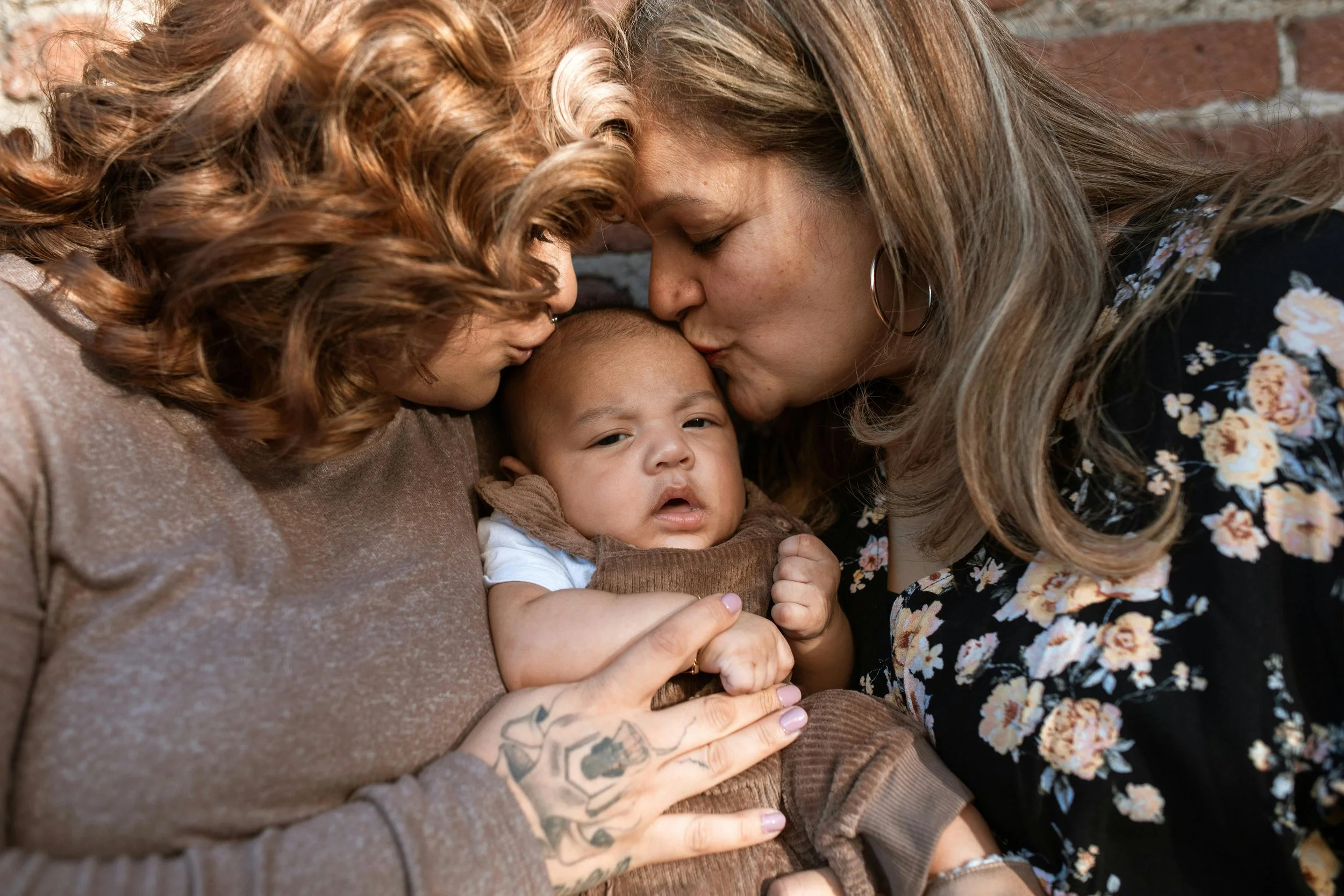

Support for LGBTQIA+ Parents and Family Building
PBA Psychology proudly supports LGBTQIA+ parents and intended parents pursuing reproductive services. LGBTQIA+ family building can involve unique emotional, relational, social, medical and legal considerations. Our clinicians provide affirming psychological support that honors each client’s identity, relationship structure and path to parenthood.
We support LGBTQIA+ individuals and couples navigating:
Donor conception
Surrogacy
IVF and assisted reproduction
Adoption
Co-parenting conversations
Family-of-origin reactions
Gender identity and reproductive care
Legal and emotional decision-making
Parenting preparation
Pregnancy fears, fertility stress or reproductive grief
Relationship stress during fertility treatment
Financial stress/burden/strain
Our goal is to provide care that is inclusive, identity-responsive and grounded in respect for each family’s reproductive journey.
Support for Single Parents by Choice
Single parents by choice often approach reproductive services with courage, intention and careful planning. Therapy and consultation can provide meaningful support while navigating the emotional, logistical and relational aspects of building a family independently.
PBA Psychology supports single intended parents with concerns such as:
Deciding whether donor conception, surrogacy or adoption is right for them
Managing anxiety, loneliness or uncertainty during treatment
Coping with infertility, pregnancy loss or treatment setbacks
Building a support system
Talking with family and friends about reproductive choices
Preparing for parenthood
Thinking through future conversations with a child about their origin story
Managing pregnancy fears or anxiety during the family-building process
Exploring challenges of fostering and/or fostering-to-adopt
We provide a warm and nonjudgmental space for single parents by choice to explore their hopes, questions and concerns.


Adoption-Related Emotional Support
Adoption can be a meaningful and loving path to family building. It can also involve complex emotions, uncertainty, waiting periods, grief, identity questions and important conversations about family, attachment and origin stories.
PBA Psychology provides adoption-related emotional support for individuals and couples considering or pursuing adoption as part of their family-building journey.
Support may include:
Exploring adoption after infertility or pregnancy loss
Processing grief around genetic parenthood or changes in family-building plans
Preparing emotionally for adoptive parenthood
Managing uncertainty during the adoption process
Navigating family, cultural or community reactions
Discussing identity, attachment and openness
Preparing for transracial adoptions
Preparing for future conversations with a child about their story
Supporting couples through adoption-related stress and decision-making
Exploring challenges of fostering and/or fostering-to-adopt
Our approach is thoughtful, affirming and sensitive to the emotional complexity of adoption and family formation.



Psychological Evaluations for Donors and Surrogates
PBA Psychology provides psychological evaluations for donors and surrogates as part of the reproductive services process. These evaluations are designed to support informed decision-making, emotional readiness and clear understanding of the responsibilities involved in third-party reproduction.
Evaluations may be appropriate for:
Egg donors
Sperm donors
Embryo donors
Known or directed donors
Gestational carriers
Surrogates
Intended parents participating in donor or surrogacy arrangements
A psychological evaluation may explore emotional preparedness, expectations, support systems, boundaries, communication, mental health history and understanding of the donor or surrogacy process. When appropriate and authorized, we can coordinate with fertility clinics, agencies or attorneys involved in the reproductive care process.
Our approach is professional, respectful and sensitive to the unique circumstances of each donor, surrogate and intended family.
Couples Therapy During Infertility, Pregnancy Loss, Donor Conception or Surrogacy
Reproductive treatment and family-building decisions can place pressure on even the strongest relationships. Partners may cope differently, communicate differently or feel differently about timelines, finances, donor selection, adoption, surrogacy, pregnancy loss or next steps.
Couples therapy can help partners:
Improve communication during fertility treatment
Navigate difficult reproductive decisions together
Process grief after pregnancy loss or failed treatment
Discuss donor conception, surrogacy or adoption options
Strengthen emotional connection
Manage conflict and reduce blame
Cope with uncertainty and treatment fatigue
Prepare for parenthood
Support one another through fear, grief and hope
PBA Psychology provides couples therapy for partners from all backgrounds, including LGBTQIA+ couples, heterosexual couples, unmarried partners and co-parenting arrangements.



Reproductive Psychological Services in Beverly Hills, Los Angeles and via Telehealth
PBA Psychology offers reproductive psychological services through our Beverly Hills and Downtown Los Angeles offices, with telehealth options available where clinically appropriate and legally permitted.
Our team provides care for intended parents, hopeful parents, donors and surrogates seeking support with the emotional and psychological aspects of reproductive services, infertility, pregnancy loss, pregnancy fears, donor conception, surrogacy and adoption.
To learn more or schedule a consultation, contact PBA Psychology today.
Frequently Asked Questions About Reproductive Psychological Services
What are reproductive psychological services?
Reproductive psychological services include therapy, consultation and psychological evaluations related to fertility treatment, infertility, pregnancy loss, donor conception, surrogacy, adoption, pregnancy fears and assisted reproduction. These services support intended parents, hopeful parents, donors and surrogates as they navigate the emotional and relational aspects of reproductive care.
Who can benefit from reproductive psychological support?
Hopeful parents, LGBTQIA+ parents, single parents by choice, couples, donors, surrogates, gestational carriers and people pursuing adoption may all benefit from reproductive psychological support. Therapy can help with stress, grief, decision-making, communication, identity questions and preparation for parenthood.
Do you provide therapy for infertility?
Yes. PBA Psychology provides infertility therapy and fertility counseling for individuals and couples coping with fertility treatment, IVF, donor conception, reproductive uncertainty and family-building decisions.
Can therapy help after pregnancy loss or miscarriage?
Yes. Therapy can provide support after miscarriage, pregnancy loss, unsuccessful IVF cycles, stillbirth, embryo loss or other reproductive grief. Clients may use therapy to process grief, manage anxiety, communicate with partners and decide what comes next.
Do you help with pregnancy fears or pregnancy anxiety?
Yes. PBA Psychology supports clients experiencing pregnancy fears, pregnancy anxiety, fear of miscarriage, fear of birth, anxiety after infertility or loss, and emotional overwhelm during pregnancy.
Do you provide adoption-related support?
Yes. PBA Psychology offers adoption-related emotional support for individuals and couples considering or pursuing adoption. Therapy may help with grief after infertility, decision-making, waiting, family conversations, identity questions and preparation for adoptive parenthood.
Do donors and surrogates need psychological evaluations?
Many fertility clinics, agencies and reproductive arrangements request or require psychological evaluations for donors and surrogates. These evaluations help assess emotional readiness, understanding of the process, expectations, support systems and potential psychological concerns.
Do you work with LGBTQIA+ intended parents?
Yes. PBA Psychology supports LGBTQIA+ intended parents and families pursuing fertility treatment, donor conception, surrogacy, adoption and other reproductive services. We provide affirming care that respects each client’s identity, relationship and family-building path.
Do you support single parents by choice?
Yes. We provide therapy and consultation for single parents by choice who are exploring or actively pursuing reproductive services, donor conception, surrogacy or adoption. Support may include decision-making, emotional preparation, managing stress, building support systems and preparing for future conversations with a child.
Can couples therapy help during fertility treatment or pregnancy loss?
Yes. Couples therapy can help partners communicate more clearly, manage stress, process grief, make decisions together and stay emotionally connected during infertility treatment, pregnancy loss, donor conception, surrogacy or adoption.
What is discussed in a donor or surrogate psychological evaluation?
A donor or surrogate psychological evaluation may include discussion of mental health history, emotional readiness, support systems, expectations, boundaries, motivations, understanding of the process and potential emotional implications. The exact structure may vary depending on the needs of the fertility clinic, agency or reproductive arrangement.
How do I schedule reproductive psychological services with PBA Psychology?
You can contact PBA Psychology to request a consultation for reproductive psychological services, including donor evaluations, surrogate evaluations, infertility therapy, pregnancy loss support, adoption-related support, individual therapy or couples therapy.
WE CAN HELP.
REACH OUT TODAY.
Phone: 310.271.2275
BEVERLY HILLS LOCATION
9350 Wilshire Blvd, Suite 212
Beverly Hills, CA 90212