

Adoption-Related Therapy
A Place for Your Story, Your Relationships and Your sense of Belonging
There is no single way to feel about adoption. Love, connection, grief, curiosity, uncertainty, and pride can exist alongside one another. Your experience deserves to be understood without being simplified or judged. Adoption-related feelings and questions can also change over time, for adoptees and for their families.
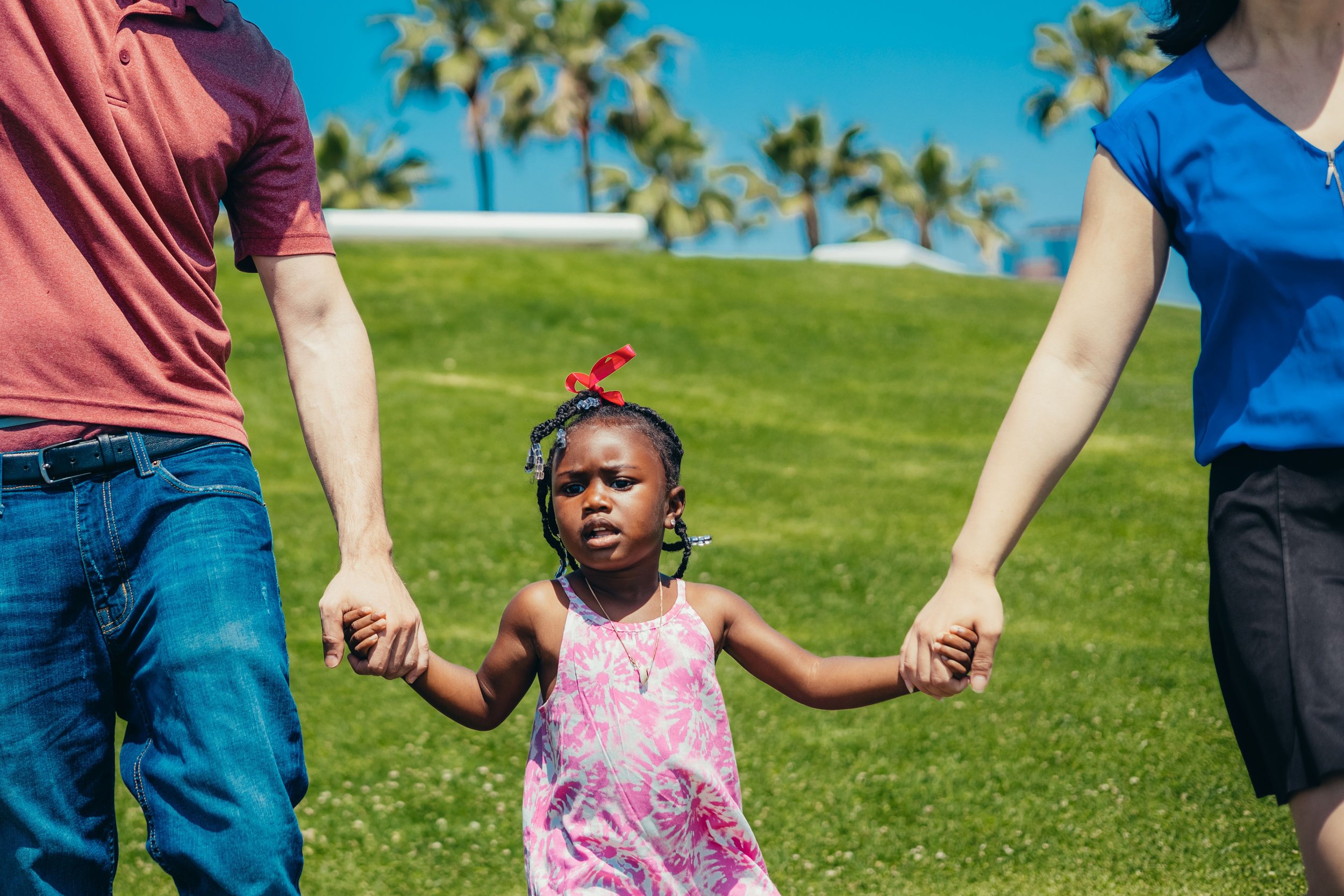
At PBA Psychology, we provide adoption-related therapy for children, adolescents, adults, and families. Whether you were adopted, are parenting a child who joined your family through adoption, or are considering becoming an adoptive parent, we offer space to explore the emotional and relational experiences that matter to you.
Making Room for the Full Experience of Adoption
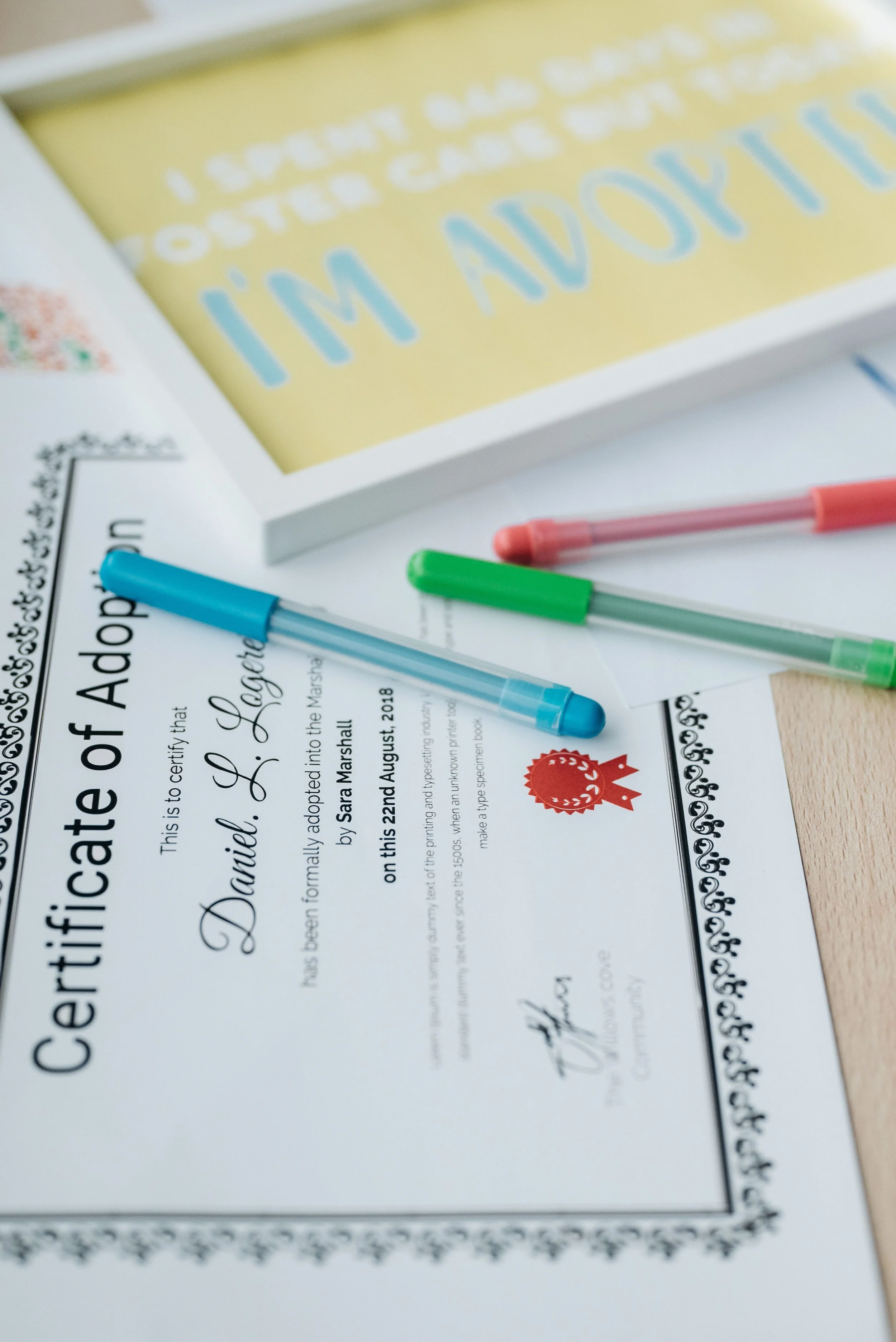
Adoption is more than a single event. Questions about identity, family, loss, and belonging may emerge at different stages of life. What felt straightforward at one age may become more complicated later; feelings that once seemed overwhelming may also change.
You may love your family and still have questions about your origins. You may feel connected and also experience a sense of difference. You may want to understand painful feelings without having the positive parts of your life dismissed—or talk about positive experiences without having difficulties assumed.
You do not have to choose one story about adoption to deserve support.
Our work begins with listening to yours.
Therapy for Adult Adoptees
Perhaps you have rarely spoken about being adopted. Perhaps it has always felt important to your identity. Or you may be revisiting questions about your history, relationships, or sense of belonging.
Adoption-related therapy offers room to explore concerns such as missing information about your origins, uncertainty about where you belong, feelings of rejection, or guilt about wanting to know more about your birth family. These experiences are not the same for every adoptee.
In therapy, we can explore what family means to you, how you understand your history, and what you need in your relationships now. Your goals might include feeling more comfortable expressing your needs, setting boundaries, understanding relationship patterns, or making space for grief that has been difficult to name.
You do not have to prove that your experience was “bad enough” to discuss it. Nor do you have to describe adoption as painful when that does not reflect your experience.

Adoption-Related Therapy for Children and Teens
Children’s understanding of adoption develops as they grow. A question that once had a simple answer may become more emotionally complex during adolescence, when identity, independence, and belonging become especially important. Curiosity about birth relatives does not, by itself, mean a child is rejecting their parents.
Our work makes room for children and teens to express feelings and questions in ways that fit their age and development. The focus may include understanding their family story, talking about differences, managing difficult emotions, or finding words for experiences they have kept to themselves.
When appropriate, therapy also involves helping caregivers listen, respond to questions, and strengthen communication. We look at the whole child—their strengths, relationships, developmental needs, and current circumstances—rather than automatically attributing every emotional or behavioral concern to adoption. Such concerns may or may not be adoption-related.
The goal is not to tell a child how to feel. It is to help them feel heard.
Support for Adoptive Parents and People Considering Adoption
Considering or pursuing adoption can bring hope alongside uncertainty. Therapy offers space to explore expectations about parenthood, differences between partners, the stress of waiting, and questions about how to prepare emotionally. When relevant, it can also address grief following infertility or pregnancy loss.
There is room to work through your own history while making space for your child’s distinct experience.
For parents, adoption-related work may focus on having honest, developmentally appropriate conversations; responding to questions about birth relatives; and understanding feelings that differ from your own. Parents do not need to have every answer before beginning these conversations. Openness, sensitivity, and a willingness to listen are important starting points.
Parent-focused sessions also offer a place to reflect on your own reactions and discuss how you want to respond during difficult moments.
Seeking support is not a statement that you have failed. It is an opportunity to approach family life with greater understanding and intention.
Transracial and International Adoption: Identity, Culture, and Connection
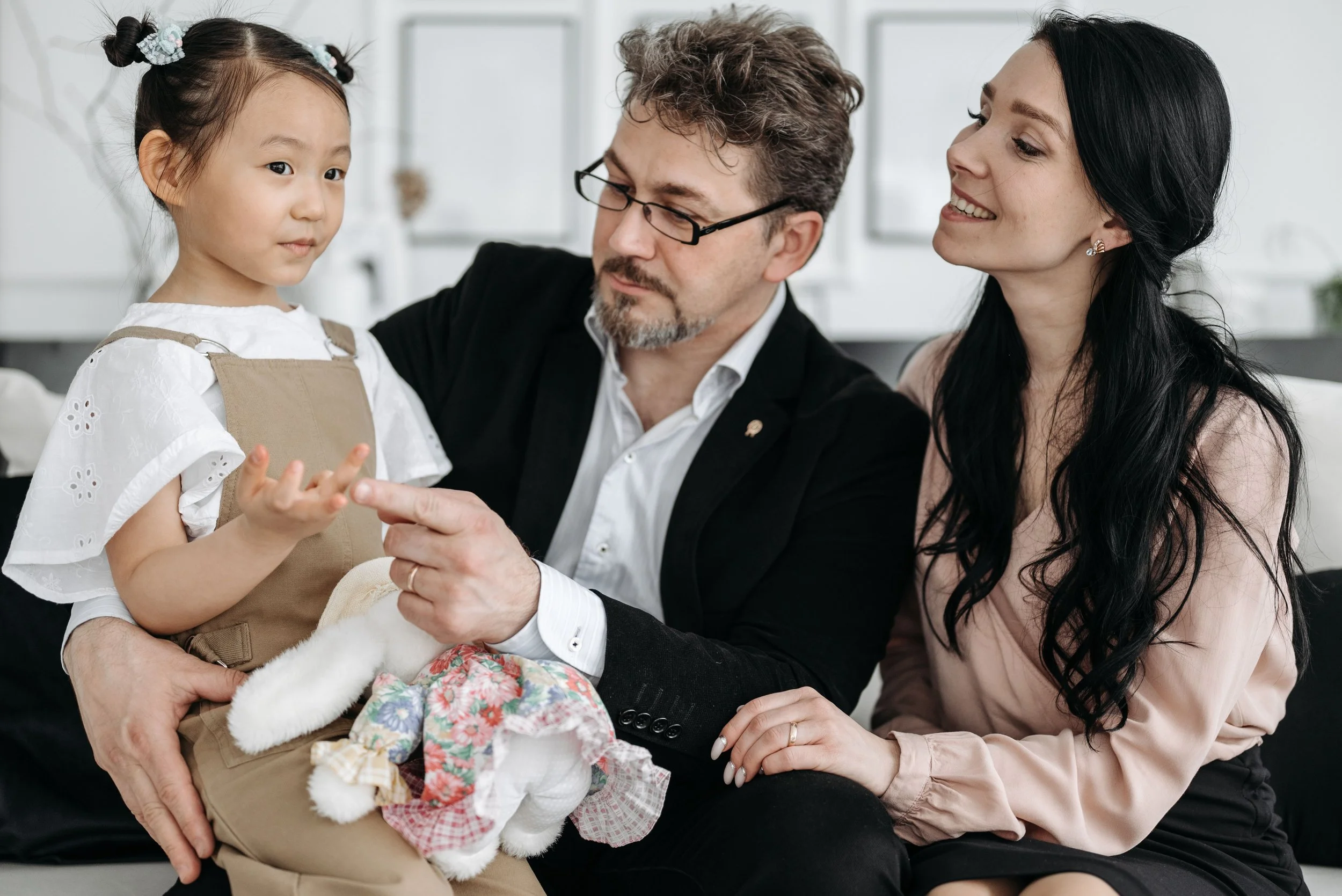
When adoption crosses racial, cultural, or national boundaries, questions about belonging may include experiences that other family members do not share. Supporting identity means making room for differences, acknowledging racism, and taking a person’s connection to their heritage seriously.
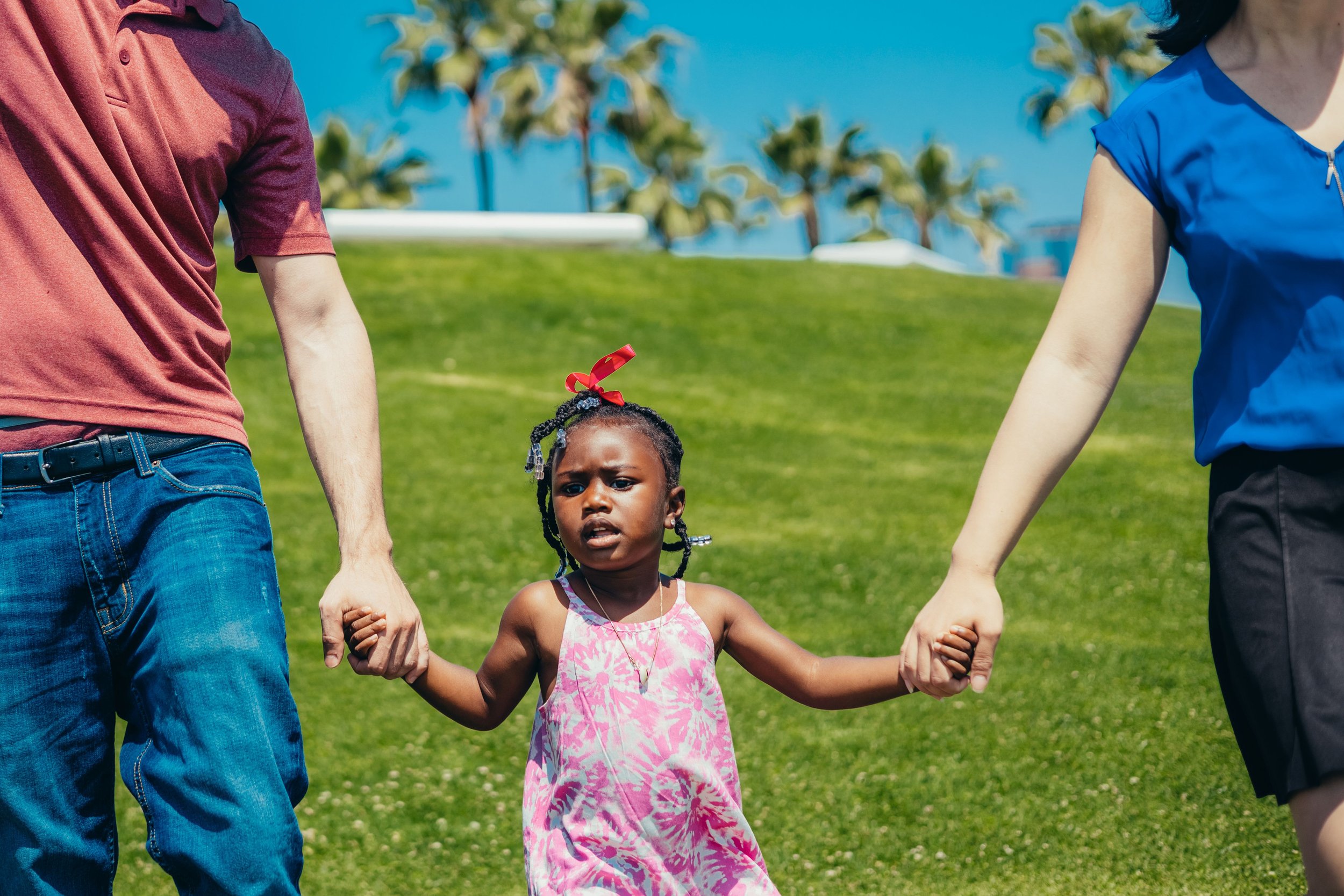
Therapy can provide space to discuss what it feels like to look different from your family, navigate assumptions from others, or seek connections with your culture of origin. For parents, the work may include examining assumptions, listening without defensiveness, and considering how to support a child’s cultural and community connections.
Our aim is not to minimize differences in the name of family closeness. It is to make room for those differences within meaningful relationships.

Birth-Family Contact, Search, and Reunion
Questions about birth relatives can bring anticipation, uncertainty, and conflicting feelings. Contact or reunion may be meaningful, but it may also bring unexpected information, differing expectations, or relationships that take time to understand.
Therapy offers space to consider your hopes, prepare emotionally, clarify boundaries, and process what happens next. For adult adoptees, this includes respecting decisions about whether, when, and how to pursue contact.
For children and teens, the work can help families think carefully about supportive, safe connections and the young person’s needs. Maintaining relationships with family of origin, when possible and safe, can be an important part of supporting identity and connection.
There is no requirement to pursue reunion, feel a particular emotion, or arrive at a tidy sense of closure.

Our Approach to Adoption-Related Therapy
PBA Psychology’s approach emphasizes deeper self-understanding, relationships, and the connections between past experiences and present concerns. Our clinicians offer trauma-informed care while tailoring therapy to the individual rather than assuming that everyone needs the same approach.
In adoption-related therapy, we make room for both reflection and practical concerns: understanding an emotional response, preparing for a difficult conversation, identifying a boundary, or considering a different way to connect.
We approach your story with curiosity rather than a predetermined explanation. We respect the language you use for yourself and your family, and we work collaboratively to identify what you would like to understand or change.
Our practice is BIPOC, LGBTQIA+, and neurodivergent affirming. We welcome diverse family structures, including LGBTQIA+ parents and single parents by choice.
Therapy for Birth and First Parents
Your experience of adoption deserves care and attention, too. Birth and first parents may experience grief, isolation, complicated feelings about the circumstances of an adoption, or questions about relationships over time. These experiences can differ widely and deserve individual understanding.
Therapy offers space to discuss your experience without judgment, make room for feelings others may not understand, and consider your needs around contact, boundaries, and family relationships. There is no expectation that you describe your experience in a particular way or follow someone else’s timeline for moving forward.
Frequently Asked Questions About Adoption-Related Therapy
Does being adopted mean someone needs therapy?
No. Being adopted is not a diagnosis. Therapy is an option when someone wants support with distress, relationships, identity, or questions about their experience. It is important not to assume that every concern an adopted person experiences is caused by adoption.
Can I seek therapy even if my adoption happened decades ago?
Yes. Adoption-related questions are not limited to childhood. People may revisit their understanding of adoption throughout their lives, and therapy can provide space for that exploration.
Can parents receive support without their child attending?
Parent-focused work can address your own feelings, expectations, communication, and parenting concerns. During consultation, we can discuss whether individual, couples, or family work is the most appropriate starting point for your needs. PBA offers these therapy formats as part of its broader services.
What will we discuss in the first appointment?
We will begin with what brought you to therapy, what you would like help with, and the parts of your history that feel relevant. Together, we will discuss goals and an approach that fits your needs. You do not need to arrive with a complete explanation of your feelings.
Let’s Take the Next Step Together

WE CAN HELP.
REACH OUT TODAY.
Phone: 310.271.2275
BEVERLY HILLS LOCATION
9350 Wilshire Blvd, Suite 212
Beverly Hills, CA 90212